
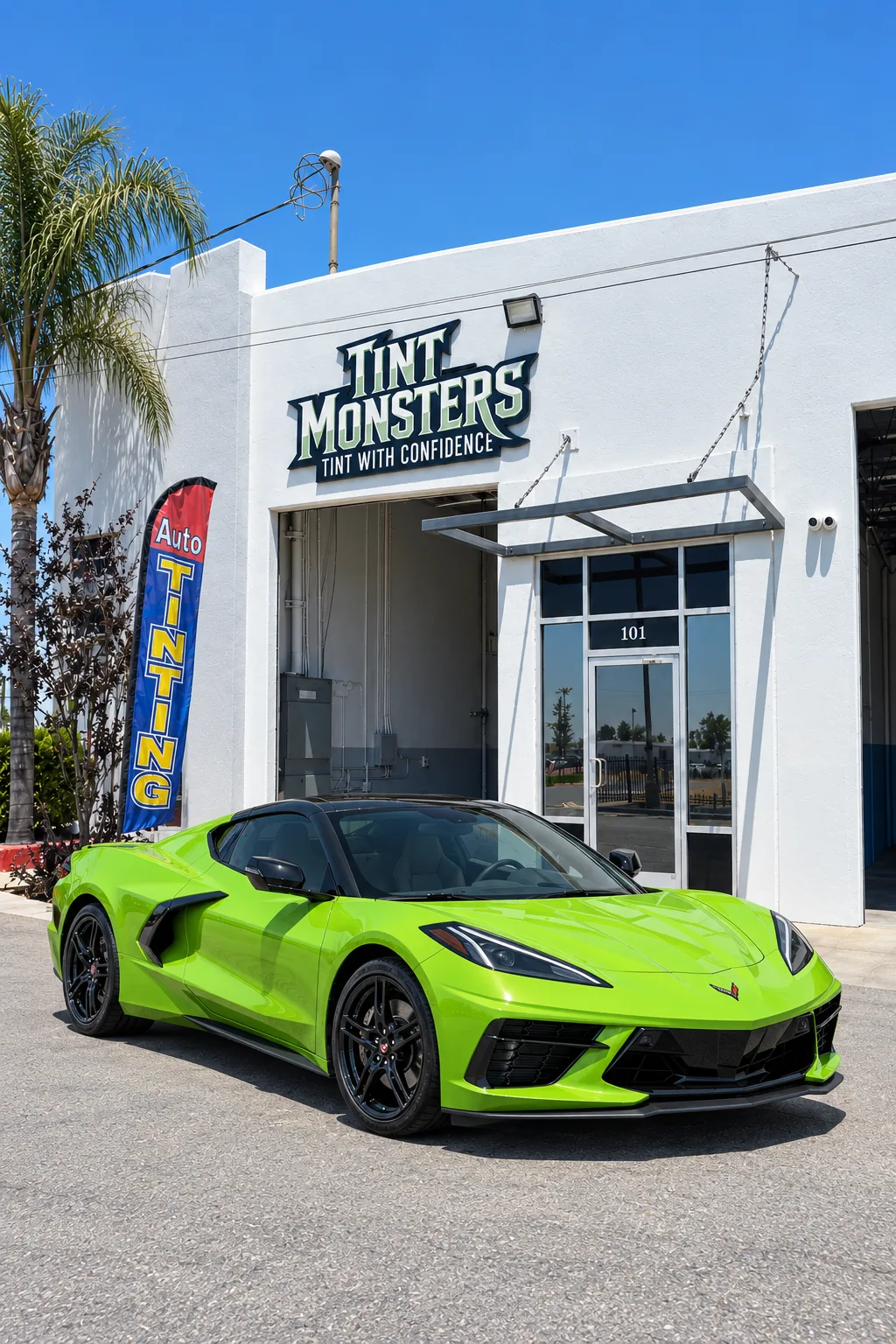

A Menifee afternoon can turn a parked vehicle into an oven and send direct sun pouring through the windows of a home or storefront. Solar film is a practical way to take control of that heat without giving up the natural light, visibility, or style you enjoy.
The right film can make a noticeable difference in cabin comfort, glare reduction, interior protection, and privacy. For drivers, homeowners, and business owners across the Inland Empire, it is not just a cosmetic upgrade. It is a long-term improvement built for the way Southern California sun affects daily life.
What Solar Film Actually Does
Solar film is a thin, professionally installed window film designed to manage sunlight as it passes through glass. Depending on the product and application, it can reject solar heat, block harmful UV rays, reduce glare, and add a degree of privacy.
The biggest benefit is comfort. Glass lets visible light into a vehicle or building, but it can also allow a large amount of solar energy inside. That energy warms seats, dashboards, flooring, furniture, workspaces, and people. Quality window film helps reduce that load before the heat settles into the space.
Not all films perform the same way. A basic dyed film may provide a darker appearance and some glare relief, while carbon and ceramic films are engineered to deliver stronger heat rejection without requiring the darkest possible shade. For customers who want performance first, the film construction matters more than a dark look alone.
Solar Film for Cars: Comfort That Shows Up Every Drive
Anyone who commutes through Menifee, Murrieta, Temecula, Perris, or Lake Elsinore knows how quickly the sun can make a drive uncomfortable. Your air conditioning has to work harder, your steering wheel gets hot, and rear-seat passengers can deal with direct glare for miles.
Automotive solar film helps reduce the sun’s intensity inside the cabin. That can make the vehicle more comfortable after parking outdoors and help keep the interior more consistent while driving. Families often appreciate the added protection for children in the back seat, while pet owners value a cooler, less glaring ride for their companions.
It also protects the parts of your car that take the most sun exposure. Leather, vinyl, plastics, trim, and electronics can fade, dry out, or show premature wear over time. Window film cannot eliminate every effect of age and heat, but it provides a valuable layer of defense against the daily UV exposure that damages interiors.
Shade Is Only One Part of the Decision
Many drivers start by asking for the darkest tint available. Privacy matters, but darkness and heat rejection are separate measurements. A high-quality ceramic film can reject substantial heat while maintaining a lighter, more visible appearance. That is especially useful for windshields, front windows where legal limits apply, and drivers who spend time on dimly lit roads at night.
The best shade depends on how you use the vehicle. A work truck, family SUV, Tesla, and weekend show car may all need different solutions. The goal is to balance heat control, privacy, nighttime visibility, appearance, and California tint regulations.
Why Professional Installation Matters
Even premium film can disappoint if it is installed poorly. Contamination, rushed edges, visible gaps, trapped debris, and bubbling can affect both appearance and performance. Experienced installation also matters around rear defroster lines, curved glass, cameras, sensors, and the large glass roofs found on many Tesla models.
A professional installer can recommend a film that fits your goals rather than simply pushing the darkest option. At Tint Monsters, that means matching premium film technology to the vehicle, the driver, and the Inland Empire climate, then backing the work with a lifetime warranty.
Residential Solar Film: Keep the Light, Lose the Harshness
Homes with large west-facing windows, open living rooms, sunrooms, and glass patio doors often get more afternoon heat than the rest of the house. Closing blinds helps, but it also cuts off the daylight and views that made those windows appealing in the first place.
Residential solar film helps reduce heat and glare while keeping rooms bright and usable. It is particularly helpful in living areas, home offices, nurseries, bedrooms, and spaces where television or computer screens compete with direct sunlight.
The protection for interiors is just as valuable. Sunlight can fade hardwood flooring, area rugs, window treatments, artwork, upholstery, and cabinets. UV-blocking film helps slow that damage, making it a sensible choice for homeowners who have invested in their finishes and furnishings.
Energy Savings Depend on the Building
Solar film can reduce the strain on air conditioning, especially in sun-exposed rooms. However, the exact energy savings depend on the size and direction of the windows, existing glass type, insulation, thermostat habits, shade from trees, and the local climate.
That is why an on-site evaluation is better than a one-size-fits-all promise. In some homes, the main win is lower heat and glare. In others, reduced cooling demand and better year-round comfort may be the larger benefit. A good recommendation considers the specific windows causing the problem.
Commercial Solar Film: A Better Experience for Customers and Staff
For offices, storefronts, restaurants, medical spaces, and other commercial properties, harsh sunlight affects more than comfort. It can create glare on monitors, make waiting areas unpleasant, fade merchandise, and force employees to keep blinds closed during business hours.
Commercial solar film gives property owners a way to improve the experience without replacing every window. It can help make front-facing glass more manageable, reduce hot spots near windows, and preserve a cleaner, more professional appearance throughout the day.
Privacy options can also be useful for conference rooms, treatment rooms, office partitions, and street-facing areas. The right film can create visual separation while still allowing natural light into the space. For businesses, that balance often feels more welcoming than permanently blocking the glass.
Choosing the Right Solar Film
The right product is based on the problem you want solved. If the priority is maximum heat rejection, ceramic film is often worth considering. If you want a refined dark appearance with solid performance at a more budget-conscious price, carbon film may be a strong fit. Decorative, privacy, and specialty architectural films serve different needs for homes and commercial spaces.
Before choosing, think about a few practical questions: Which windows receive the strongest sun? Is your main concern heat, glare, fading, privacy, or appearance? Do you need clear visibility at night? Are there local vehicle tint laws that limit your options?
It also pays to ask about the product warranty and the installation warranty. Window film is designed to last, so the company installing it should be prepared to stand behind both the material and the workmanship.
What to Expect After Installation
Freshly installed film needs time to cure. During that period, you may see a slight haze, moisture pockets, or small water bubbles between the film and glass. This is normal in many installations and typically clears as the mounting solution dries. Warmer weather can speed curing, while cooler or humid conditions can make it take longer.
Avoid rolling down vehicle windows until your installer says it is safe. For home and commercial glass, use gentle cleaning methods after curing and avoid abrasive pads or harsh chemicals that can scratch the film surface.
Solar film is one of those upgrades you notice in ordinary moments: getting into your car after lunch, working near a bright window, watching TV without pulling every blind, or walking into a cooler storefront. A quick quote and a conversation about your sun exposure can help you choose a solution that feels right long after the next hot Inland Empire afternoon.


