

A lower price can feel like a win until the tint begins to bubble across the rear glass, turn purple in the summer sun, or lift at the edge of a door window. That is where tint warranty coverage matters. A good warranty is more than a line on an invoice – it is proof that the film and installation are built to hold up through Menifee heat, daily driving, and years of direct sunlight.
For vehicle owners, homeowners, and business owners, the right coverage makes the value of premium film much clearer. But warranties are not all written the same way. Knowing what is covered, who stands behind it, and what can void coverage helps you choose an installer with confidence instead of hoping the lowest quote lasts.
What Tint Warranty Coverage Usually Includes
A quality window film warranty generally addresses defects in the film itself and problems tied to proper installation. On automotive tint, the most common covered concerns are bubbling, peeling, cracking, delaminating, fading, color change, and adhesive failure. If a film turns purple, develops a hazy appearance, or separates into visible layers under normal conditions, those are signs the product may have failed.
Residential and commercial window film warranties often cover similar material defects, including peeling, discoloration, loss of adhesion, and premature failure. Depending on the film and application, coverage may also address issues such as excessive cracking or abnormal degradation from sun exposure.
The key phrase is “under normal use.” Premium film is designed to reject heat, reduce glare, block harmful UV exposure, and maintain a clean appearance for years. When those performance qualities fail because the product was defective or the installation was not completed correctly, warranty protection should give you a path to correction.
Product Coverage and Installation Coverage Are Different
This is the detail many customers miss. A manufacturer warranty covers the window film material. An installation warranty covers the workmanship of the shop that applied it. You want both.
For example, a manufacturer may replace a defective roll of film, but that does not automatically mean a different installer will remove the failed tint and apply a replacement at no cost. A reputable local tint shop explains how the material and labor portions work together before the work begins.
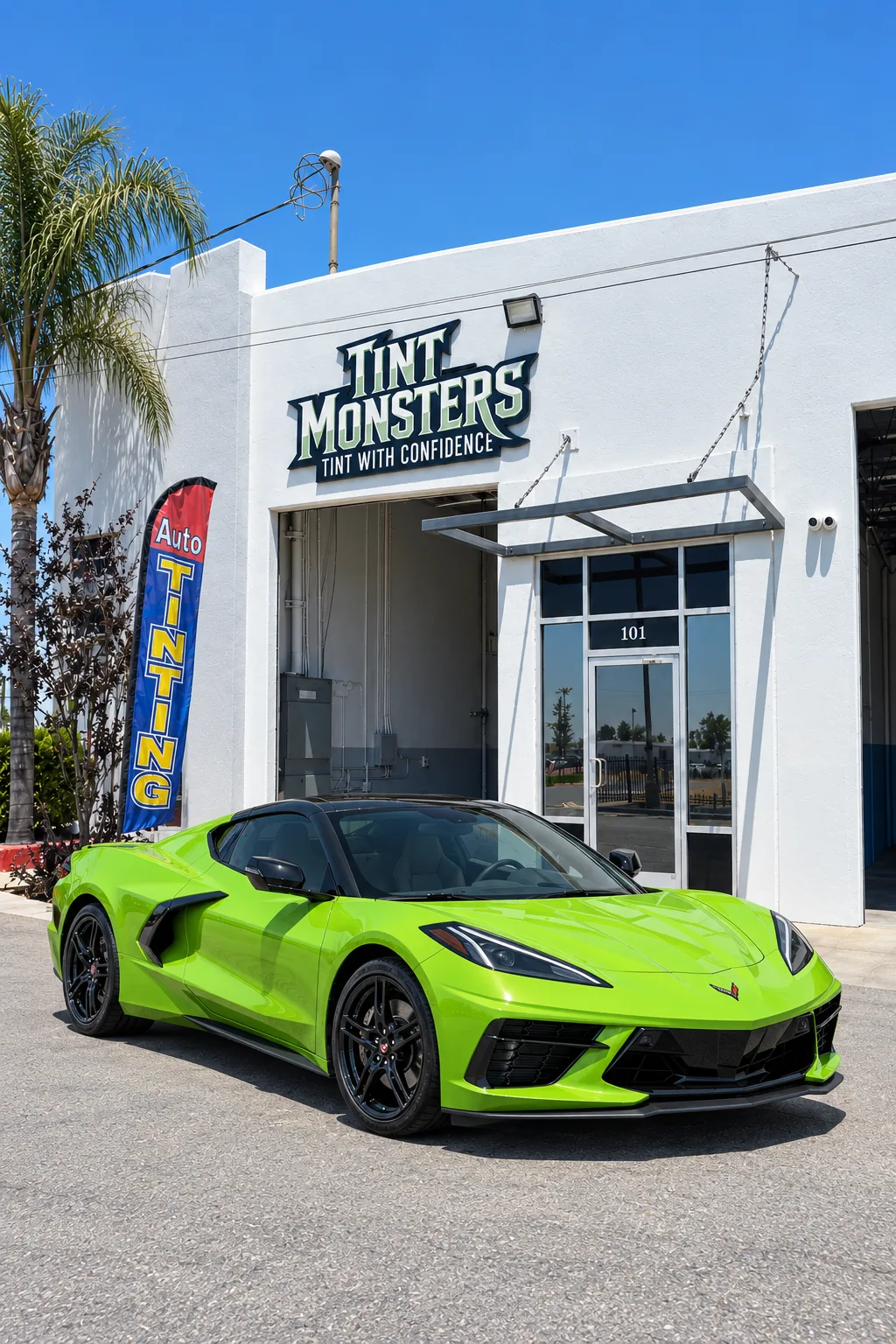
At Tint Monsters, premium film selection and expert installation are treated as one investment. That approach matters because even the best ceramic or carbon IR film cannot perform as intended if it is improperly installed.
What a Strong Warranty Does Not Cover
A warranty is not insurance against every issue that can happen to glass, film, or a vehicle. Clear expectations keep a legitimate claim from becoming a frustrating surprise.
Most tint warranties do not cover damage caused by an accident, broken glass, vandalism, improper cleaning, scratches from hard objects, or work performed by another shop after installation. On a vehicle, a damaged window regulator, loose weather stripping, or a sharp object dragged across the film can create problems that are unrelated to the film’s quality.
For homes and commercial properties, coverage may exclude pre-existing glass defects, seal failure in dual-pane windows, damage from construction, or conditions caused by moisture intrusion. Some architectural films are not recommended for every glass type, which is why a professional assessment before installation is so valuable. The right film for a large storefront window may not be the right choice for an older insulated residential window.
There is also a difference between a true defect and normal curing. Freshly installed automotive tint can look slightly hazy or show small water pockets while moisture evaporates. In Southern California, curing is often faster than in colder climates, but it still takes time. Rear windows, thicker films, and certain weather conditions may take longer. A professional installer should tell you what normal curing looks like and when to call if something does not improve.
Why Film Quality Changes the Warranty Conversation
Not all films are made to survive the same conditions. Dyed, low-cost films may offer a darker look at first, but they can be more prone to fading and color shift. In the Inland Empire, where vehicles sit in intense sun and cabins heat up quickly, that shortcut can become expensive.
Ceramic and carbon IR films are designed for drivers who want more than darkness. They help reduce heat, glare, and UV exposure without relying on a metallic construction that can interfere with signals. For commuters, families with children, pet owners, truck owners, and Tesla drivers, the comfort difference is noticeable on long, hot drives.
A better film does not mean every warranty is identical. Coverage can vary by product line, application, and manufacturer terms. The point is to match the film to how you use the vehicle or building, then confirm that the warranty supports that investment. A premium film backed by real coverage is usually a better long-term value than a cheap film with vague promises.
Questions to Ask Before You Schedule
Before approving a tint job, ask who provides the warranty and whether it covers both film defects and installation workmanship. Ask whether the coverage is transferable if you sell your vehicle or property, how long it lasts, and what documentation you will receive after installation.
You should also ask what the claim process looks like. Will the shop inspect the issue? Is removal and replacement included when a defect is confirmed? Does the warranty apply nationwide or only through the original installer? These are practical questions, especially for customers who commute, plan to move, or expect to keep a vehicle for many years.
For automotive customers, it is smart to confirm that the selected shade and placement comply with California window tint rules. A warranty will not protect you from a citation for illegal film placement. An experienced local shop can help you balance privacy, appearance, and heat rejection with legal visibility requirements.
For residential and commercial work, ask whether the installer has evaluated the glass type and sun exposure. A south- or west-facing wall in Menifee can receive relentless afternoon heat. Film choice, glass construction, and warranty terms should all line up with that reality.
Keep Your Warranty in Good Standing
Once the film is installed, simple care goes a long way. Follow the recommended curing period before rolling vehicle windows down or cleaning newly tinted glass. When cleaning, use a soft microfiber cloth and ammonia-free products. Avoid abrasive pads, razor blades, and harsh chemicals that can scratch film or weaken edges.
Keep your warranty paperwork, invoice, and any care instructions in a safe place. If an issue appears, take clear photos and contact the original installer before trying to peel, trim, or repair the film yourself. Early inspection can make it easier to identify whether the concern is normal curing, accidental damage, or a valid warranty issue.
For buildings, notify the installer if windows are replaced, damaged, or altered. Window film is installed on a specific piece of glass, so replacement glass typically requires new film. That is not a warranty failure – it is simply a new surface that needs protection.
The Value of a Local Shop That Stands Behind Its Work
Warranty language matters, but accountability matters just as much. A local installer has a reputation to protect in Menifee, Murrieta, Temecula, Lake Elsinore, Perris, Wildomar, Winchester, and Canyon Lake. When a shop uses genuine premium film, installs it carefully, and explains the coverage without fine-print games, customers know where to turn if they need help later.
Whether you are tinting a daily driver, protecting a Tesla cabin from heat, reducing glare in a living room, or improving comfort in a commercial space, ask about the warranty before the film goes on the glass. The best result is not just a sharper look or cooler interior – it is the confidence that your investment is protected long after installation day.


